Frequently Asked Questions
How can I choose the right hydraulic lift for my needs?
Choosing the right hydraulic lift for your needs involves assessing your specific requirements, such as load capacity, lift height, and intended use. Consider the environment and any safety features essential for your application.
What are the safety features of hydraulic truck lifts?
The safety features of hydraulic truck lifts include overload protection, automatic safety locks, and emergency stop buttons, ensuring secure operation and minimizing risks during lifting and lowering processes.
How do hydraulic lifts improve efficiency in industrial settings?
Hydraulic lifts improve efficiency in industrial settings by enabling quick and safe lifting of heavy loads, reducing manual labor, and minimizing downtime. This enhances productivity and streamlines operations across various sectors, including aviation and manufacturing.
What maintenance is required for hydraulic scissor lifts?
The maintenance required for hydraulic scissor lifts includes regular inspections of hydraulic fluid lines and levels, checking for leaks, ensuring all safety features are functional, and maintaining the overall mechanical integrity. Routine servicing helps ensure optimal performance and safety.
What factors influence hydraulic lift selection?
The factors that influence hydraulic lift selection include load capacity, lift height, platform size, and the specific application requirements, such as frequency of use and environmental conditions.
How do hydraulic lifts enhance workplace safety?
Hydraulic lifts enhance workplace safety by providing stable and reliable elevation for heavy loads, reducing the risk of accidents. Their design minimizes the likelihood of tipping or collapsing, ensuring safer operations in various industrial environments.
What are the advantages of scissor lifts?
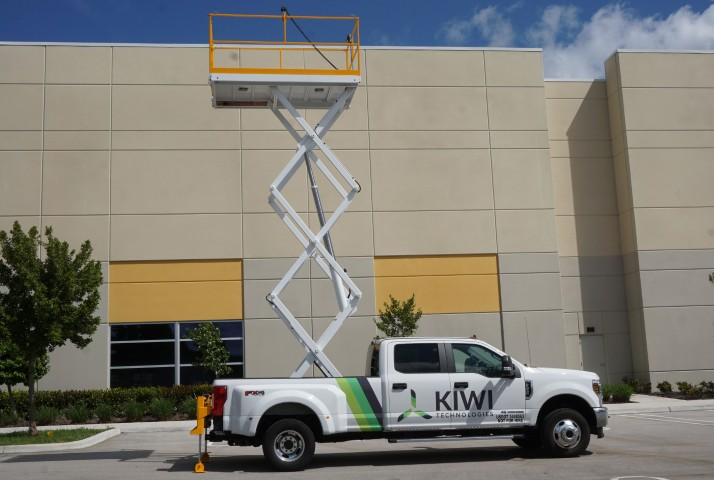
The advantages of scissor lifts include their ability to provide stable, vertical lifting for various applications, ease of use in tight spaces, and enhanced safety features, making them ideal for both industrial and aviation sectors.
How do I maintain hydraulic truck lifts?
Maintaining hydraulic truck lifts involves regular inspections, ensuring proper fluid levels, checking for leaks, and lubricating moving parts. Additionally, keep the lifts clean and follow the manufacturer's maintenance schedule for optimal performance and safety.
What are common applications for hydraulic lifts?
Common applications for hydraulic lifts include use in warehouses for lifting heavy materials, in automotive shops for vehicle maintenance, and in aviation for accessing aircraft components, ensuring efficiency and safety across various industrial sectors.
How do hydraulic lifts operate efficiently?
Hydraulic lifts operate efficiently through a system that utilizes hydraulic fluid to transmit force. This allows for smooth lifting and lowering, minimizing energy consumption while maximizing load capacity and stability.
What safety standards apply to hydraulic lifts?
The safety standards that apply to hydraulic lifts include OSHA regulations, ANSI standards, and ASME guidelines, which ensure safe operation, design, and maintenance of hydraulic lift equipment in various industrial settings.
How can I troubleshoot hydraulic lift issues?
Troubleshooting hydraulic lift issues involves checking the power supply, inspecting hydraulic fluid levels, and examining for leaks or damaged hoses. Additionally, ensure all safety features are functioning properly and consult the user manual for specific error codes or guidance.
What is the lifespan of hydraulic scissor lifts?
The lifespan of hydraulic scissor lifts typically ranges from 10 to 20+ years, depending on usage, maintenance, and operating conditions. Regular upkeep can significantly enhance their longevity and performance.
How do I choose a hydraulic lift supplier?
Choosing a hydraulic lift supplier involves evaluating their industry experience, product quality, customer support, and reputation. Look for suppliers with a proven track record in providing reliable hydraulic lift solutions tailored to your specific needs.
What training is needed for hydraulic lift operation?
The training needed for hydraulic lift operation includes understanding safety protocols, equipment handling procedures, and maintenance practices. Operators should complete a certified training program to ensure safe and effective use of hydraulic lifts in various industrial settings.
What are the weight limits for hydraulic lifts?
The weight limits for hydraulic lifts vary based on the model and specifications. Typically, they can support loads ranging from 3,000 to over 7,000 pounds, ensuring safe and efficient lifting for various industrial applications.
How do hydraulic lifts compare to other lifts?
Hydraulic lifts offer superior lifting capacity and efficiency compared to other lift types, such as electric or mechanical lifts. Their design allows for smoother operation and better load handling, making them ideal for heavy-duty applications in industrial settings.
What innovations exist in hydraulic lift technology?
Innovations in hydraulic lift technology include the integration of advanced control systems for enhanced precision, energy-efficient designs that reduce power consumption, and smart sensors for improved safety and automation in various applications.
How can hydraulic lifts reduce labor costs?
Hydraulic lifts can significantly reduce labor costs by enhancing efficiency and safety in material handling. They streamline operations, minimize the need for manual lifting, and decrease the risk of workplace injuries, leading to lower labor expenses and increased productivity.
What are the environmental impacts of hydraulic lifts?
The environmental impacts of hydraulic lifts include potential hydraulic fluid leaks, which can contaminate soil and water, and energy consumption during operation, contributing to greenhouse gas emissions. However, advancements in technology aim to mitigate these effects through improved efficiency and eco-friendly materials.
How do I inspect hydraulic lifts for safety?
Inspecting hydraulic lifts for safety involves checking for visible wear and tear, ensuring all safety features are functional, verifying hydraulic fluid levels, and testing emergency stop mechanisms. Regular maintenance and adherence to manufacturer guidelines are essential for safe operation.
What accessories enhance hydraulic lift functionality?
Accessories that enhance hydraulic lift functionality include safety guardrails, D-Ring platform mounted saftey tiedowns, platform extensions, and truck stabilizers. These additions improve safety, increase work area versatility, and ensure load stability during operations, making lifts more efficient and user-friendly.
How do hydraulic lifts improve productivity?
Hydraulic lifts improve productivity by enabling efficient vertical movement of heavy loads, reducing manual labor, and minimizing downtime. This leads to faster operations and enhanced workflow in various industrial settings.
What are the best practices for hydraulic lift use?
The best practices for hydraulic lift use include ensuring proper training for operators, performing regular maintenance checks, adhering to weight limits, and using safety features such as guardrails and emergency stops to prevent accidents.
How do hydraulic lifts handle uneven surfaces?
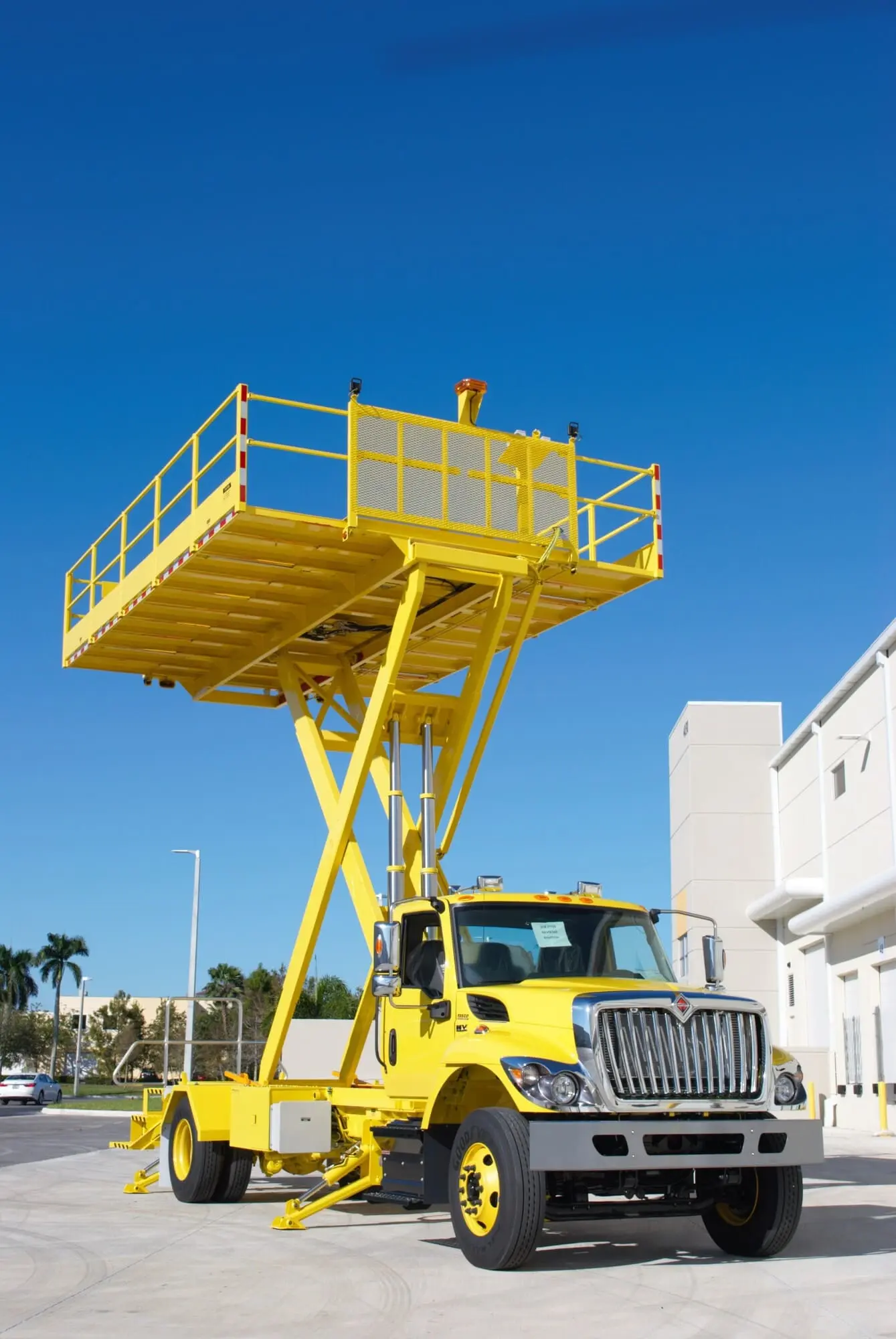
WARNING: NEVER USE A HYDRAULIC LIFT ON UNEVEN SURFACES. NEVER PAD THE STABILIZERS TIPPING MAY OCCUR. Hydraulic lifts are designed to manage uneven surfaces by utilizing adjustable stabilizers that can adapt to varying ground levels, ensuring stability and safety during operation. This feature allows for efficient lifting even in challenging environments.
What are the key components of hydraulic lifts?
The key components of hydraulic lifts include the hydraulic cylinder, pump, control valve, and lift platform. These elements work together to create the lifting motion and ensure safe operation in various industrial applications.
How can I find hydraulic lift parts?
Finding hydraulic lift parts is straightforward; you can visit our website to contact our customer service team for assistance in locating the specific parts you need for your equipment.
What regulations govern hydraulic lift usage?
The regulations governing hydraulic lift usage include safety standards set by organizations such as OSHA and ANSI, which ensure proper installation, operation, and maintenance to protect workers and equipment in various industrial environments.
How do hydraulic lifts support heavy loads?
Hydraulic lifts support heavy loads by utilizing hydraulic fluid to generate force. When the fluid is pressurized, it moves pistons that elevate the lift, allowing it to safely raise and lower substantial weights with precision and stability. NO PERSONNEL SHOULD BE UNDER A RAISED LIFT.